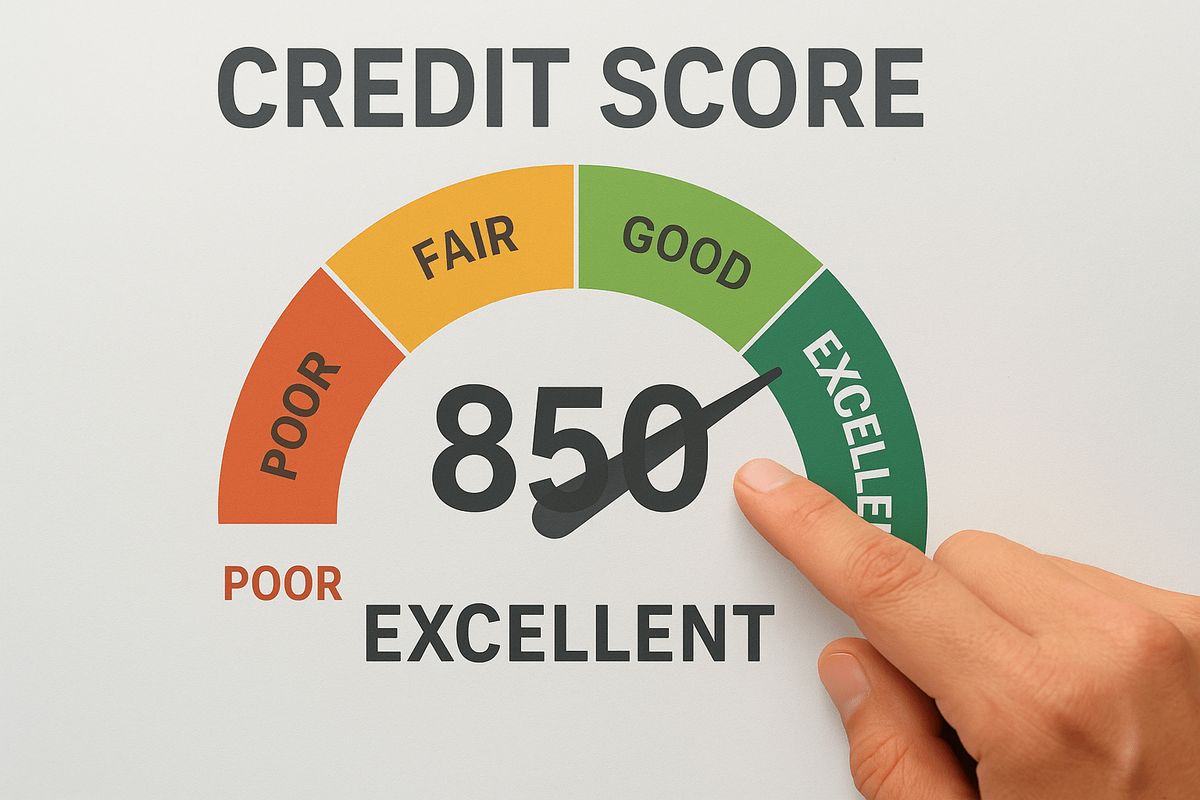
Your credit score is more than just a number—it’s a financial passport that can open doors to lower interest rates, better loan terms, and even impact things like renting a home or landing certain jobs. Whether you’re in the US or the UK, a healthy score saves you money and reduces stress. The good news? Significant improvement is possible in months, not years. Here’s your actionable guide to boosting your score quickly on both sides of the Atlantic.
Understanding the Game: US vs. UK Systems
First, know your playing field. While the principles of good credit are similar, the systems differ.
- US Scores (FICO/VantageScore): Range from 300 to 850. Key factors are Payment History (35%), Credit Utilization (30%), Credit Age (15%), Credit Mix (10%), and New Credit (10%).
- UK Scores (Experian, Equifax, TransUnion): Scales vary (e.g., Experian is 0-999, Equifax is 0-1000). Key factors are Payment History, Credit Utilization, Length of Credit History, Electoral Roll Registration, and Hard Searches.
Fast-Action Strategies for Both Regions
1. Master Your Credit Utilization (The Quickest Win)
This is the ratio of your credit card balances to their limits. Aim for under 30% in the US, and ideally under 25% in the UK.
- How to do it fast: Pay down balances before your statement closing date, not just the due date. The balance reported to agencies is usually your statement balance. Even a mid-cycle payment can dramatically lower your reported utilization.
- Pro Tip: Request a credit limit increase on an existing card. If granted, this instantly lowers your overall utilization, provided you don’t spend more. (Note: This may cause a small, temporary dip from a hard inquiry in the US).
2. Become Flawless with Payments (The Most Critical Factor)
A single late payment can hurt for months or years.
- Set up automatic payments for at least the minimum due on every account. Use calendar reminders as a backup.
- If you have a late payment, call your lender. A goodwill adjustment—where they agree to remove a late mark as a courtesy—is possible, especially if you have an otherwise solid history.
3. Check Your Reports for Errors (The Hidden Opportunity)
Mistakes happen. A fast score boost can come from fixing them.
- US: Get free weekly reports from AnnualCreditReport.com. Dispute inaccuracies directly with the bureau (Experian, Equifax, TransUnion).
- UK: Use free services like ClearScore (Equifax), Experian, and Credit Karma (TransUnion). Dispute errors directly with the agency showing the mistake.
4. Get on the Electoral Roll (UK-Specific Power Move)
This is one of the easiest and fastest ways to boost your UK score. Registering at your current address proves stability to lenders. Do it immediately via your local council’s website.
5. Use a “Credit-Builder” Tool (For Thin or Damaged Credit)
- US: Consider a secured credit card (you provide a refundable deposit) or a credit-builder loan from a credit union. Use it sparingly and pay it off in full each month.
- UK: Look into credit-builder credit cards (often with low limits) or reporting services like Experian Boost and Credit Ladder, which can factor in your rent and subscription payments.
Strategic Patience: What to Avoid
- Don’t Close Old Accounts: This shortens your credit history and can increase utilization. Keep them open, even if unused.
- Limit Hard Inquiries: Each application for new credit causes a hard search, which dings your score slightly. Space out applications by at least 6 months when possible.
- Don’t Ignore Statements: Regularly monitor your accounts for fraud or errors.
The Timeline: How Fast is “Fast”?
- 30 Days: You can see a jump from correcting utilization or fixing an error.
- 3-6 Months: Consistent, on-time payments and low utilization can lead to very meaningful improvement.
- 12+ Months: Building a longer, positive history solidifies gains and pushes you into higher score bands.
Important Note: There’s no magic to erase genuine negative marks like bankruptcies or County Court Judgments (CCJs). These take time to age off your report (typically 6-7 years in both regions).
Your Action Plan Starting Now
- Pull Your Reports: See where you stand and identify errors.
- Calculate Utilization: Pay down balances to below 25-30%.
- Automate Payments: Ensure you never miss a due date.
- (UK) Register to Vote: Do this today if you’re eligible.
- Plan Strategically: If you need new credit, space out applications and choose products suited to your current score.
Improving your credit score is a marathon, not a sprint, but the right tactics can give you a powerful head start. By focusing on what matters most—payment history and credit utilization—you can build momentum toward a stronger financial future, whether you’re in the US or the UK.
Ready to take control? Start by checking your free credit report tonight. Your future self will thank you.
