To be part of the frank world, life insurance can be a pain to think about.
It is like doing taxes or clearing a drain. You see it is a serious matter, but you would rather do anything instead. You’re not alone. Most of us in the US and the UK procrastinate it as the choices appear complicated.
“Term” or “Whole Life”?
It is like it requires a degree in finance to begin with. However, what would happen when you were able to look beyond the jargon and see it, as it really is:
a simple promise not to harm the people you love?
Either having a policy that will ensure that your family can continue to stay in the house in the event that something occurs to you or covering final expenses and sparing your children the stress of having to work just to make ends meet, the right policy will give peace of mind of unspeakable proportions.
It is not concerning investing in complex investments. It is the answer to a single question, The Right safety net in the story of my family: term vs whole life insurance? We can divide it into real-life examples in order that you make a decisive choice that you are sure about.
What is Term Life Insurance?
Are the following not included among the arteries in us?–
the femoral, the sphincter, the hymnal, the clitoral, the ductus, the pluvian, the axillary, the nipple, the ductus, the submammary (Straig), the gonadotropic, the urethral:–Nine, haugh, and forty-nine; this is the number of our arteries, including the urethral that is ductal.<|human|>Among the arteries in us are not the
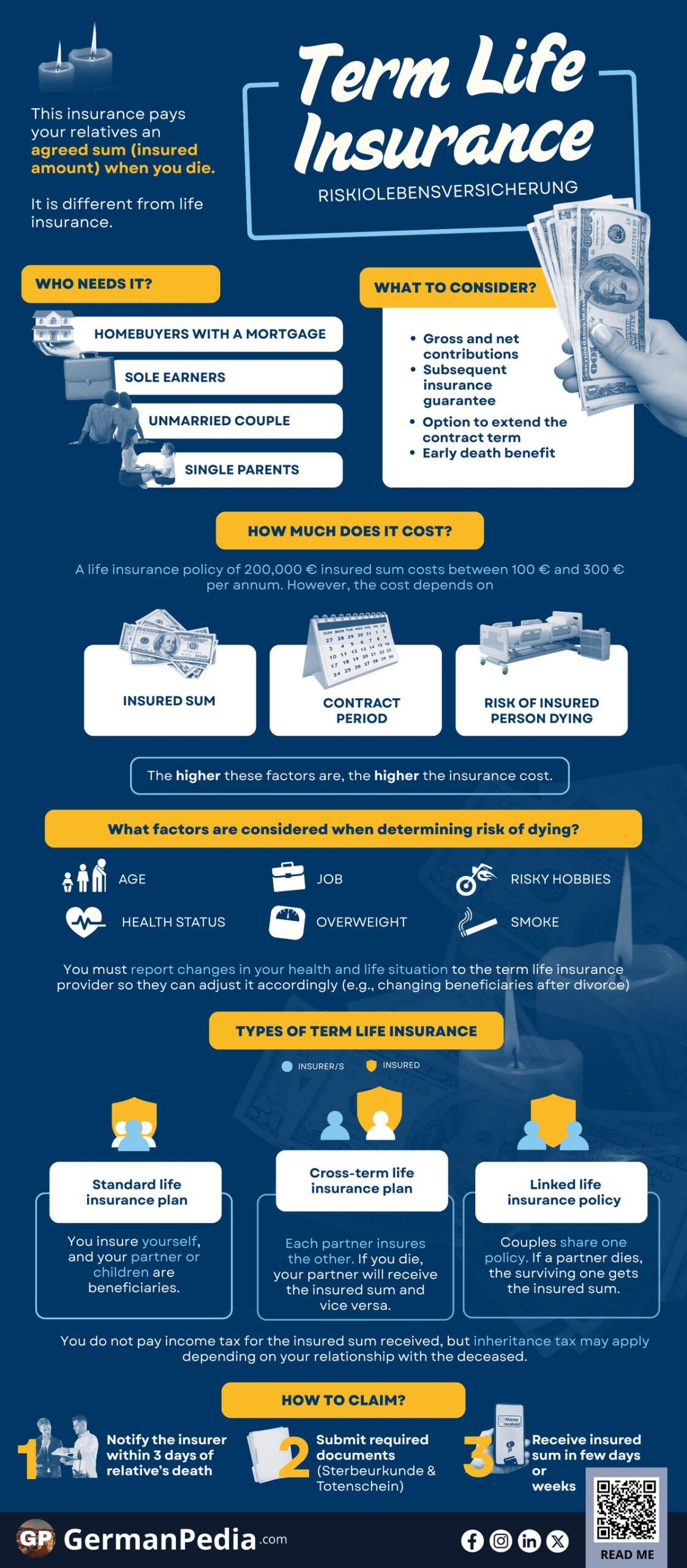
Consider term life insurance as renting a house.
You can now afford to pay a small fee after a certain term, 20 or 30 years, to get the protection that you require. And during that term, your family will be covered. In case of the worst, they get a payout in the form of a death benefit, which is tax-free. It is unadulterated simple defense.
The coverage ceases once the term is over. It is best suited to carry out large and time-sensitive duties. Suppose that you and your spouse in Manchester have just been placed on a 25-year mortgage. Having a 25-year policy term gives you the guarantee that in case you are not there, the monthly payments are paid, and your family would not lose the house. Or, a family around Chicago with little kids. A life time policy of 20 years will help in securing the college investments and cost of living in case the kids are growing. It is a strong, highly affordable protection of your most vulnerable financial decades.
death benefit, cheap coverage, mortgage coverage.
What is Whole Life Insurance? (The “Lifetime Asset”)
This time round, consider purchasing a house not on a rental basis.
That is the case with whole life insurance. It is a life time policy which provides coverage to your whole life provided you keep paying the premiums. One of them is the cash value. Part of your premium accumulates a savings account in the policy growing at a minimum rate guaranteed over time. You are even able to borrow on the value of this cash in later times.
Consider a freelance graphic designer in Austin who desires to have a consistent method of saving towards a future, but at the same time, there should be an inheritance aspect to the product to which the executor is always certain that despite her death, the product will still offer something to her heirs. Or a couple of London wanting to leave some sort of legacy to their grandchildren or settle their final bills on the inevitable final costs such as the cost of funerals without the money being hinged to the fluctuation of the stock market. The former is protection, and a long-term financial instrument.
cash value, permanent coverage, lifelong policy.
The Price Tag: The Cost and Value Comparison.
And this is where this difference strikes your wallet. Term life is much cheaper. A 20-year, 500,000 term policy, at a healthy age, 35, may be between 25-35 a month. It is equivalent of a couple of takeaway coffees. It allows you to achieve high level of protection at the time of maximum need, without putting strain on the budget. Whole life insurance is more expensive–5 to 10 times more expensive per death benefit.
The 35-year-old could cost him/her between 300 and 500 a month. Why? Since you are paying the lifetime coverage and cash value. It is as though to put comparing the amount that you pay per month as rent in a flat to the mortgage you pay in a house that you are purchasing. Term is a necessary feature in the eyes of a young parent in Ohio who is making his daycare and car payments. Whole life may suit someone in his 40s in Edinburgh who has emptied other savings and who wants a serious, dual purpose financial product.
Real-Life Scenario: What Policy Should Suit Your Chapter?
Life stage is the greatest guide.
Select Term Life When: You have de a few debts or obligations which are temporary. Sarah in Seattle decided on 30-year term at the time that she gave birth to twins. It pays the mortgage and will take the kids to university which is exactly how her family needs.
It is also perfect to cover a small business loan of a bakery owner in Bristol. Select Whole Life: in case you have lifelong dependents, such as a child with special needs and are required to provide assured support to them. Or, you are a high-earner in New York and you want an additional and tax-benefited savings bucket to save towards retirement. Perhaps, it is just that you wish the peace of mind that just because you will be dead, some money will go directly to your loved ones in Kent. Term means season coverage. Whole life pertains to certitude throughout life.
life stage planning, financial goals, temporary needs permanent needs.
The Flexibility Factor: Is Your Policy flexible?
Life is unpredictable.
What would be the case when your needs change?
Term policies are not so flexible. A renewal normally follows the end of the term but the cost is staggering as you are not as young as you were. Others provide a convertibility rider, which allows you to convert some of it to whole life policy without a renewed medical test- a nice insurance policy. The cash value provides various flexibility in whole life policies. Say you’re 55 and your car dies. You would be able to take out a loan based on the cash value of your policy as a down payment.
Or a Florida couple can use decades of accrued cash value to augment retirement income. But by borrowing, the death benefit is diminished should one not repay the loan. Term refers to a set it and forget it shield. The entire life should be a more active financial asset.
Pitfalls and How to Anticipate and Prevent Them.
The greatest error is to purchase the wrong kind that suits your needs. Do not be sold an expensive whole life policy when you only require cheap term insurance cover over some decades. Underinsuring is another trap. A 100,000 policy may be nice, however, will it actually take the place of 10-15 years of your income to your family? Determine your real need with the help of an online calculator.
Another thing to keep in mind is not letting a term policy lapse without proper planning. And at age 60, with a 30-year term, another coverage is costly to obtain. You should never forget to revise your policy at least after every 5 years or when you have had a life change of any significance; a new job in London, a marriage in Colorado, purchase of a home. Insurance is no a purchase, but a part of your changing financial narrative.
Conclusion Your Sure Next Step.
Then term vs whole life insurance?
It is not best, but the best according to the chapter.
Term life insurance is your obvious, effective solution in case your general purpose is to safeguard your specific years with high level so that you can pay a mortgage, raise children, or settle debts. It is the economic safeguard of durable helmet to help you when your ride is the risky one. In case you desire lifetime coverage that can include a savings element and can afford it- legacy planning, final expenses, or as an option of conservative financial instrument- then consider whole life insurance.
In a word, you can say this: Begin with your why. Write down your largest luxuries and your long-term aspirations. To the majority, including those in the family-forming and career-advancing years, their first step needs to be having a strong term life policy in place. It provides you with that much needed peace of mind nowadays. It is always possible to add new layers of finance done in complex ways in the future. Protection is the most valuable thing to do. Talk to a professional fee-based financial advisor who will assist you in making the choice based on your own story. You will be glad that there was such clarity in your future.
